Written in collaboration with vets




Ear mites are tiny, crab-like parasites that can live in your dog’s ear canals, feeding on earwax and other secretions. Ear mites don’t usually bite, but they can cause severe inflammation and discomfort. While they’re troublesome and persistent, they’re easily diagnosed, and you can treat them at home.
Ear mites in dogs can live in their ear canals for up to two months, feeding on earwax and other secretions. Ear mites won’t usually bite, but they can still cause your dog to suffer severe inflammation and discomfort. Whilst they’re a nuisance to your dog, they can be easily diagnosed, and you’ll be able to administer treatment at home. Some of the symptoms to look out for include:
If left untreated ignored, they can cause:
This guide will give you the information you need to answer burning questions such as:
By the end of the guide, you’ll be able to recognise the symptoms and prevent ear mites in dogs.
If we start with the question - “What do dog ear mites look like?” it’s important to note that it’s unlikely you’ll be able to see them without using a microscope. This is because they are microscopic parasites that resemble oval-shaped white crabs.
Thankfully, to diagnose if your dog has ear mites, you don’t need to see them, as there are other tell-tale signs, most notably:
Dog ear mites are highly contagious between pets, particularly among dogs and/or cats that share bedding.
It’s important to regularly give your dogs weekly checkups at home, and have your vet carry out more in depth check-ups regularly. This will increase the chances of detecting ear mites early and preventing further infection.
In the previous sections, we’ve highlighted the main physical symptoms of ear mites in dogs:
Other physical symptoms to look out for are:
But there are other, more behaviour-based symptoms, which can be spotted by reading your dog’s body language, such as:
Be mindful, if you notice any of these symptoms, there is a problem involving your dog's ears that need attention. You are likely looking at a case of dog ear mites, and should take your dog to the vet as soon as possible.
Ear mites in dogs is caused by animals being in close contact with each other, or animals sharing environments. For example, if two dogs share a bed in a house. As a result, all dogs that live in multi-pet households are at a higher risk of contracting dog ear mites.
It’s important to remember that ear mites are not caused by poor dog hygiene. However, regularly checking and cleaning your dog’s ears can help detect mites in dog ears early and veterinary attention sought quickly so that your dog can be treated before the problem worsens.reduce the amount and reduce the amount of stress your dog has to go through.
Thankfully, treating ear mites in dogs is a straightforward process. Once you notice any of the aforementioned symptoms we’ve described, take your dog to the vet to get an official diagnosis. If it is dog ear mites, they will prescribe either:
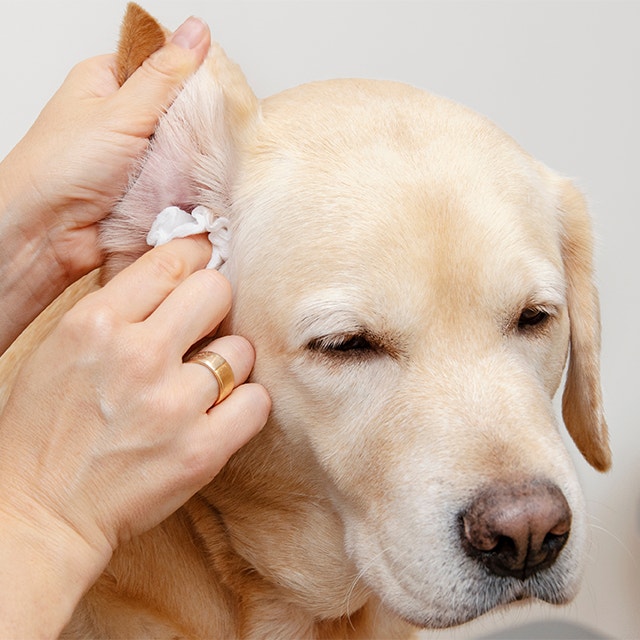
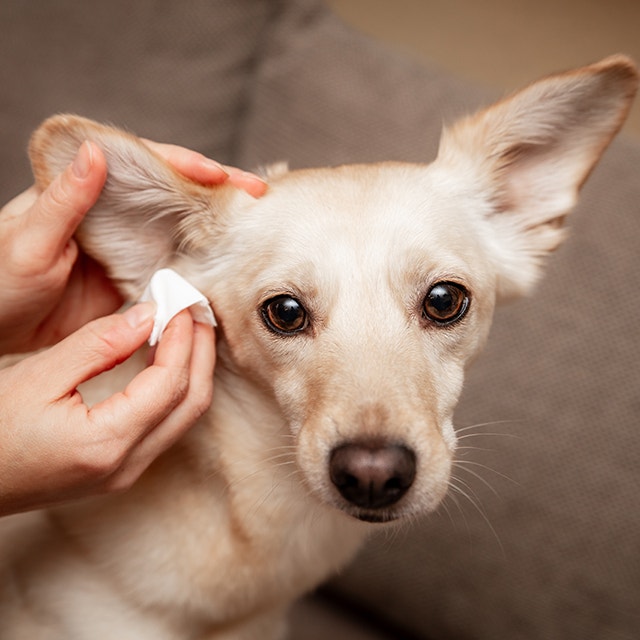
It’s important to clean your dog's ears thoroughly before applying any vet-prescribed medication to kill mites in dog ears. Also, follow any instructions the vet gives you to the letter. Any deviation from their specific instructions may cause your dog further problems.
If there are any other pets in the household with your infected dog, they may need to be treated for ear mites too, to help prevent further reinfestation in the future.
It is possible to prevent your dog from contracting ear mites by doing the following on a regular basis:
You can get rid of ear mites in dogs by taking your dog to the vet as soon as possible. The vet will then prescribe the right medication to get rid of the ear mites.
There are numerous symptoms, including:
We strongly recommend seeing a vet to treat ear mites. We do not recommend trying to treat ear mites by yourself. Vets use specialist equipment to look down the ear canal to check the health of the ear and ensure it is safe to use topical treatments in the ear canal without causing damage. The examination of the ear canal also checks for the presence of any foreign bodies lodged in the ear canal, which can cause similar symptoms. Whenever your dog shows signs of discomfort in their ears, it is essential to take them to a vet for an examination.
Some natural remedies are said to be effective in killing ear mites. However, there is little scientific evidence to support this. We strongly recommend you visit a vet if you think your dog has ear mites.