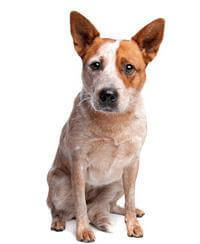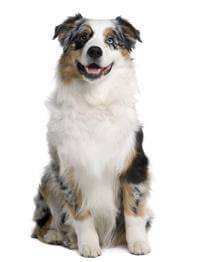

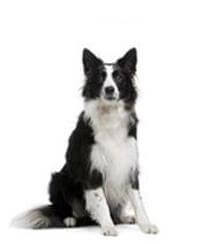

Border Collies are medium-sized herding dogs that are highly intelligent and agile. Originating from the borders between England and Scotland, their name is well-suited. Collies have a striking appearance, and while black and white coats are common, there are other varieties too.
In this guide, you’ll discover the most important characteristics of the breed, including their temperament, typical size, and care requirements. This overview will help you understand whether this breed suits your lifestyle and level of experience as a dog owner.
Key things to know about the Border Collie
- Temperament and personality: Known for their intelligence and energy, Border Collies are highly trainable owing to their history as herding dogs.
- Size and appearance: A medium-sized dog weighing 12-20kg, Collies are athletic dogs built for speed and agility.
- Lifespan and health: The average lifespan is around 12-15 years, a relatively long lifespan compared with other medium-sized breeds.
- Care and grooming: Collies have a double coat that can vary in texture. If yours has a rough coat, they will need more frequent brushing and bathing to prevent matted fur. Regardless of coat type, practicing good hygiene (clipping nails, ear cleaning, dental care) are all good practices.
Throughout the article, you’ll also find helpful guidance on training, nutrition and responsible ownership, along with links to related resources for grooming, feeding and exploring other dog breeds to choose from.
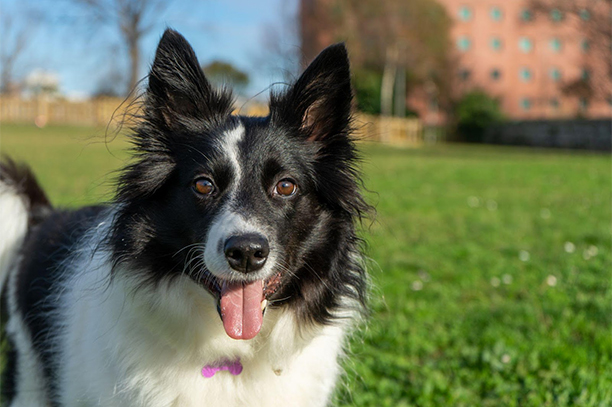
What makes this breed unique
Grooming and hygiene needs
Behaviour and training requirements
Mental stimulation and exercise needs
Feeding and nutritional requirements
Whether they are suitable family dogs
How to find a responsible breeder
Border Collies’ Characteristics: What makes them unique?
The Collie’s characteristics make them a unique dog breed. Compared to other dog breeds, they rank the highest in canine intelligence tests, exhibiting their remarkable and adaptive intelligence.
History
Collies originate from the border regions between England and Scotland, where they were developed as skilled herding dogs.
Farmers valued the breed for its intelligence, stamina and ability to control livestock over long distances. Their name reflects these origins, combining “border” with “collie,” a traditional term used for sheepdogs in the region.
Personality
The Border Collie temperament is highly intelligent, alert and eager to learn. These dogs are known for their strong work ethic and thrive when given tasks or activities to complete.
Because of their natural herding instincts and quick learning ability, they are often considered one of the most trainable dog breeds.
Physical appearance and size
Collies are medium-sized, athletic dogs built for speed and endurance. The typical Border Collie weight ranges from 14–20 kg for males and 12–19 kg for females.
They have a double coat that protects them in different weather conditions and can appear in several colour combinations, most commonly black and white, but also red, blue merle and tricolour.
Lifespan
The average Border Collie lifespan is between 12 and 15 years, giving the breed a relatively long Border Collie life expectancy compared with many other medium-sized dogs.
If you offer proper nutrition, regular exercise and good veterinary care to your dog, it is more likely they will be active and healthy throughout most of their lives.
A Border Collie’s grooming and hygiene needs
As mentioned, all Collies have a double coat, with texture ranging between smooth and rough, and length ranging between medium and long.
Generally, a Collie’s outer coat is of medium-length, rough and wiry, while the under coat is shorter and more coarse. If your Collie has a rough coat, they will need more frequent brushing and bathing to prevent matted or tangled fur.
If Collies have a smooth coat, this won’t be necessary as often. However, like all dogs, it’s important to practise good hygiene regularly, including nail clipping, ear cleaning and dental care.
Since Collies love to spend time outdoors, it’s likely they will get messy. It’s important to bathe your dog to remove dirt, dust or debris and keep their coat nice and clean. You can check out our article on how often a dog needs bathing to get a better idea.
A Border Collie’s behaviour and training needs
Behaviour
A Border Collie’s temperament is friendly and social, with the ability to form strong bonds, hence why they make good family dogs. However, given their nature as herding dogs, their instincts may lead to behaviours such as circling or nipping.
This may be difficult around children or other pets, but since being adaptable is part of a Collie’s personality, this behavioural challenge can be avoided with early socialisation to different environments.
Training
With their high intelligence and activity levels, Collies are extremely receptive to dog training, in fact, they need it to thrive.
Positive reinforcement training works best with this dog breed, and owners can use praise and adult dog treats to reward and reinforce desired behaviours. Consistency is also important as they need clear commands. It’s important to keep your Collie entertained with mental and physical stimulation to prevent boredom.
Are Border Collies high maintenance dogs?
Collies’ characteristics include intelligence and energy, which means they require a lot of physical and mental stimulation.
Without this, they may become bored and exhibit undesirable behaviours. Their double coats also require special care and maintenance for good coat health.
A Border Collie’s mental and physical stimulation
Collie’s characteristics include a high level of both intelligence and energy, which is why they need significant mental and physical stimulation. It’s important that pet parents meet these needs to support your Border Collie temperament and overall well-being.
Exercise needs
Collies are energetic dogs that require plenty of daily physical activity to stay healthy and balanced. Long walks, running and active games such as fetch can help burn off energy and support a healthy Border Collie weight.
Because of their strong working background, many Collies enjoy activities that allow them to run, explore and interact with their owners regularly. Consistent exercise also helps support overall health and can contribute to a healthy Border Collie life expectancy.
Mental Stimulation
In addition to exercise, mental engagement is essential for this intelligent breed. Training sessions, puzzle toys and learning new commands can help keep their minds active.
Without enough stimulation, Collies may become bored and develop behaviours such as excessive barking, chewing or digging. Owners should also consider their routine carefully. Learn how long you can leave a dog alone to ensure the dog’s emotional and behavioural needs are met.
A Border Collie’s nutritional requirements and feeding
Collies need a balanced, high-quality dog food to support their energy levels and overall health. Because this is an active breed, proper nutrition also helps maintain a healthy Border Collie lifespan.
High-quality dog food should contain animal protein such as chicken, beef or fish to support muscle maintenance. Complex carbohydrates like rice or sweet potato provide steady energy, while healthy fats (such as omega-3 and omega-6 fatty acids) help maintain brain function, skin and coat health.
In addition to a complete diet, Pedigree® Multivitamins can help support overall wellbeing by providing essential vitamins and minerals needed for normal body function.
Do Border Collies make good family pets?
With their friendly and social personality, Collies make great family dogs. However, just like all dogs, it’s important that Collies have early socialisation and proper training with children and pets to ensure a positive experience for everyone.
Without this, it is possible that a Collie’s herding instincts can lead to them trying to herd children or pets, displaying behaviours such as circling or nipping.
Since Collie’s have a lot of energy, they are best suited to larger homes and active households so they have plenty of space to exercise. However, Collies can adapt to different living environments. You can check out which other breeds are considered to be the best family dogs.
Border Collie breeding and finding a responsible breeder
When choosing a Border Collie puppy, be sure to check the health records of both pup and parents to ensure they are up to date on vaccinations, flea and worm treatments and any health screenings.
You can see how the puppy behaves in their environment, in which they should feel comfortable, inquisitive and playful. It’s also important to meet the puppy’s mother.
You can find a reputable breeder through recommendations from local breeding communities or veterinarians. You should be able to visit the dog before committing to purchase and visibly see a clean and caring environment.
And of course, a responsible breeder will be open to answering any related questions and even share guidance on the breed’s specific needs. Learn more about finding a good dog breeder.
Choosing an ethical breeder is important. Responsible breeders screen their dogs for genetic conditions and expose puppies to different environments to support early socialisation.
Collies are intelligent and loyal dogs that can make a wonderful addition to the right home. If you’re still exploring your options, use the Breed Finder to discover a dog that suits your lifestyle.
Thinking about adopting a Border Collie? Check your local shelter first!
If you’re thinking about getting a Collie, consider adopting from your local dog shelter first. Around 2.7 million animals enter UK shelters each year, including 664,000 dogs, many of which are looking for permanent homes.
Adopting helps reduce the number of stray dogs and eases pressure on shelters. Dogs from shelters are often vaccinated, spayed or neutered, and trained in basic commands, which can make the transition easier for first-time owners.
Mixed-breed dogs can also make excellent pets. Their varied traits often result in well-rounded and adaptable companions. Giving a rescue dog a home can lead to a rewarding and lasting bond. For more guidance, see our Dog Adoption guide.